

Three Useful Secrets - November Edition
On feeling instead of thinking, (not)seeing with eyes closed, and saying yes to a food writers’ circle

This month’s secrets seem somewhat unrelated at first, but there is a subtle thread that connects them — from feelings to visualisation, and from kitchens as emotional spaces I don’t struggle to visualise, to joining a group of food writers in a powerful conversation. But the post is also a testament to the fact that I, Liza, don’t fit into a clear category, here on Substack or anywhere else. I am a social anthropologist specialising in Sub-Saharan Africa, a gender specialist, a food writer, a foodie, a coach, a mentor, a woman, a reader, a leader, a polyglot. And I don’t fit in a box or a category (not just because I am very tall). I am a specialist in many of these things and also a generalist at the same time. And everything is connected.
People who want us to stay small, want us to stay in ‘our lane’. I am done being obedient in this way for the comfort of others.
So, with that, here are my 3 useful secrets for this month. I hope you enjoy them. And I wish for you to shine in all your multitudes and contradictions that you contain.
Secret 1: The 90-Second Wave and Why We Don’t Actually Feel Our Feelings
I love podcasts, and I’ve shared secrets I discovered in podcasts in the two previous editions of this newsletter. This month, I am sharing an insight from one of my top podcasts (probably the one I am most up to date with) — We Can Do Hard Things. It is hosted by Glennon Doyle (author of Untamed), her sister Amanda Doyle (a true intellectual powerhouse), and Abby Wambach, Glennon’s wife and a former US soccer champion.
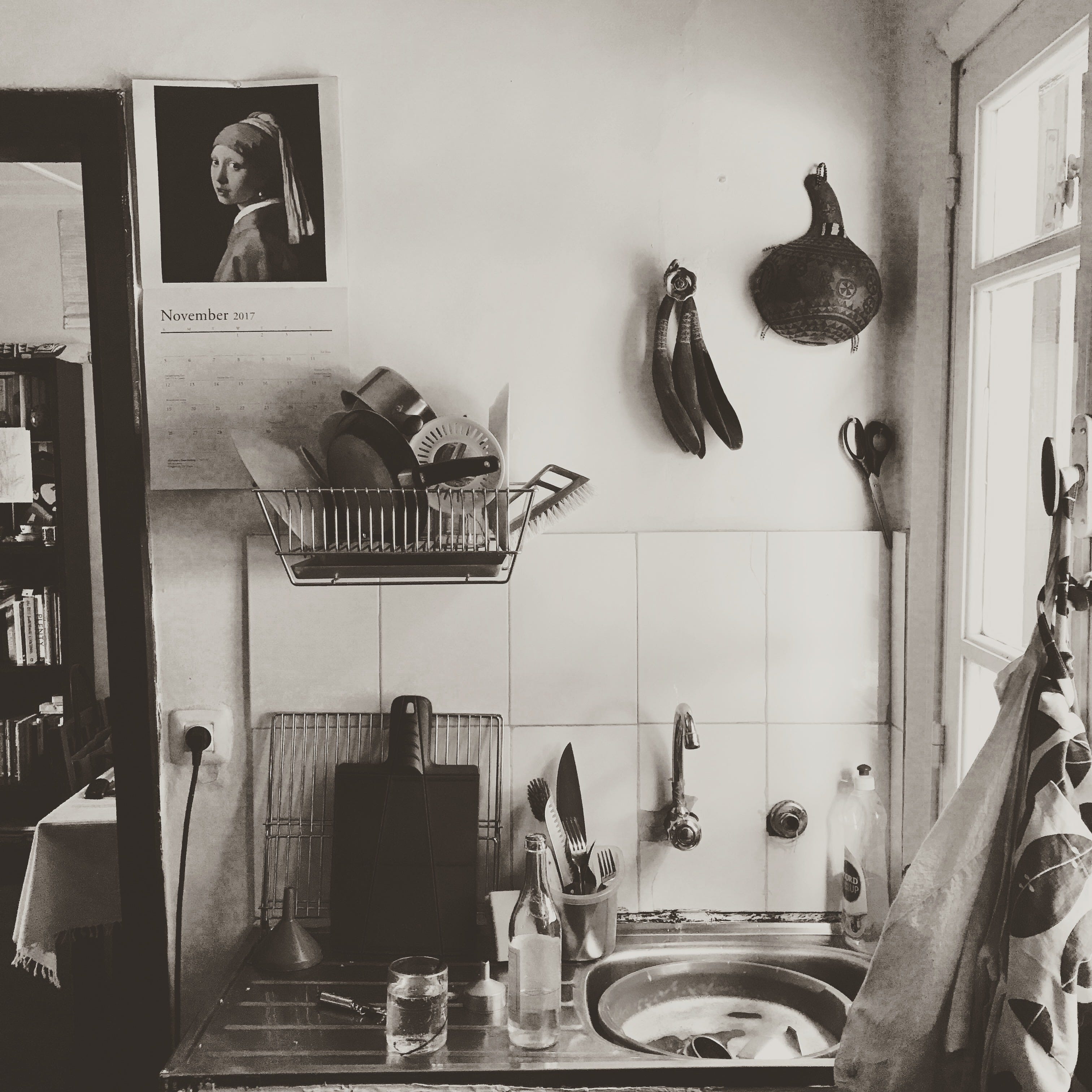
In a recent episode, they talk about how, when we try to understand the difficult feelings we’re feeling, we often try to put words to them. And by going into our brains, we are actually stepping away from feeling the feelings. We’re trying to (over)think them, which makes us avoid the root issue, and often prolongs the suffering. Here is what Amanda Doyle says:
“A feeling, a real emotion feeling, is like a wave: it builds, it builds, it crests, it crashes, it’s done. That process, good people of America, lasts a maximum of 90 seconds. That is one minute and 30 seconds that that lasts. Why then do we stay up for two hours and 20 minutes sitting with our feelings? It’s because we aren’t feeling our feelings. We are thinking about our feelings — and that is a different thing.”
While they don’t mention the scientist behind this in the podcast, some digging on the internet helped me find that the 90-second rule is a concept popularized by neuroscientist Dr. Jill Bolte Taylor. It proposes that the body’s chemical reaction to an emotion lasts only about 90 seconds; anything beyond that is sustained by our thoughts about the event. To use it, you pause for 90 seconds after a trigger, breathe, and allow the physical emotion to pass, without adding more thoughts. That gives you the space to respond with intention, rather than reacting impulsively.
I have found this to be true in my own experience of struggling with grief this past year. When a moment of sadness comes, allowing it to take over for a moment — just letting it wash over me like a wave — has been the most effective way of dealing with it. Not chastising myself for feeling sad again, for not doing better. Just sitting with it. And when I do that, the part of me that needs this sadness is grateful that it was allowed to show up. Then I can go about my day again, and experience other, more uplifting emotions — including joy and excitement.
Secret 2: Visualisation, Felt Sense, and What Happens When the Mind’s Eye Is Blind
Some of my most powerful coaching moments have involved visualisation, witnessing how going on an imaginary inner journey helps clients tackle issues they previously thought unsurmountable. I often use visualisation to help them connect with parts of themselves that aren’t easily accessible when they’re trying to ‘think’ their way through a personal challenge. I ask them to close their eyes and imagine a specific place (often a safe one, but sometimes also more uncomfortable, depending on the topic), and then go on a journey and see what unfolds.
As someone who has been on the receiving end of coaching, I remember that in the beginning, I struggled to visualise anything. I realise that even today, I don’t necessarily imagine new places, but revisit places I am familiar with, or sometimes experience what I believe is meant by a felt sense. Sometimes I see colours (this often happens in therapy sessions, especially when I am doing IFS work and connecting with different parts of my internal family system).
Some clients tell me they cannot visualise anything, particularly those with ADHD (not my specialisation, but recently I’ve had a couple of clients diagnosed in their 40s or 50s). Interestingly, even when they couldn’t visualise, I asked them to simply feel it in their body (embodiment is an important part of my coaching approach), and that sometimes unlocked something meaningful.
It was therefore very interesting for me to read this post by Erin on her personal experience with aphantasia and then watch the YouTube conversation she shared. It seems that 1% to 4% of people are aphantasic, meaning they lack the of ability to produce mental imagery. As I’m sitting here, I am remembering different kitchens in places I have lived (kitchens are emotionally important spaces for me), and I can see them, I suppose in my mind’s eye, but these are kitchens I have actually been in, cooked in, eaten in. And my eyes are open. If I close them, I only see black, but somewhere, at the back of my mind, I can still “see” those kitchens.
I also have no problem remembering the sensation of how it feels to pet my dogs. But I don’t necessarily see them in my minds eye, when I think about that sensation. I do however get overwhelmingly sad, remembering them, since they are no longer alive. But instead of trying to distract myself, I do now try the above mentioned 90-second rule and just let the emotion rise and crash, and then I move on. Sometimes I can watch videos like the one below, have a little cry and then move on (or as my Ecuadorian colleague said the other day: una lloradita y a seguir - it does sound so much better in Spanish).
When I do visualisation or embodiment work with my coach, I often wonder: is my brain feeding me words, or am I really feeling the things I am verbalising?
If anyone reading this has more information — or is willing to share their own experience of what they “see” (or feel) when visualising — I’m very interested.
Secret 3: And Now for Something Completely Different — Hosting My First Food Writers Mastermind
In August, I joined a Substack group called Mastermind for Food Writers, created by Rebecca Blackwell, who also writes a wonderful Substack Let’s get lost where she shares spectacular recipes and stories from her nomadic life in a mobile home and on a sailboat.
After attending two of the monthly group calls and really enjoying meeting the writers, Rebecca asked if anyone would be willing to host a second group, one that would work better for Europe, Africa, Asia and Australia. I jumped at the opportunity.
You may not know this, but my PhD was in the anthropology of food in Africa (well, technically it was social anthropology, but I used food/cooking/eating to understand social life in urban Burkina Faso). I write about some of that in my second Substack, which you can find here:
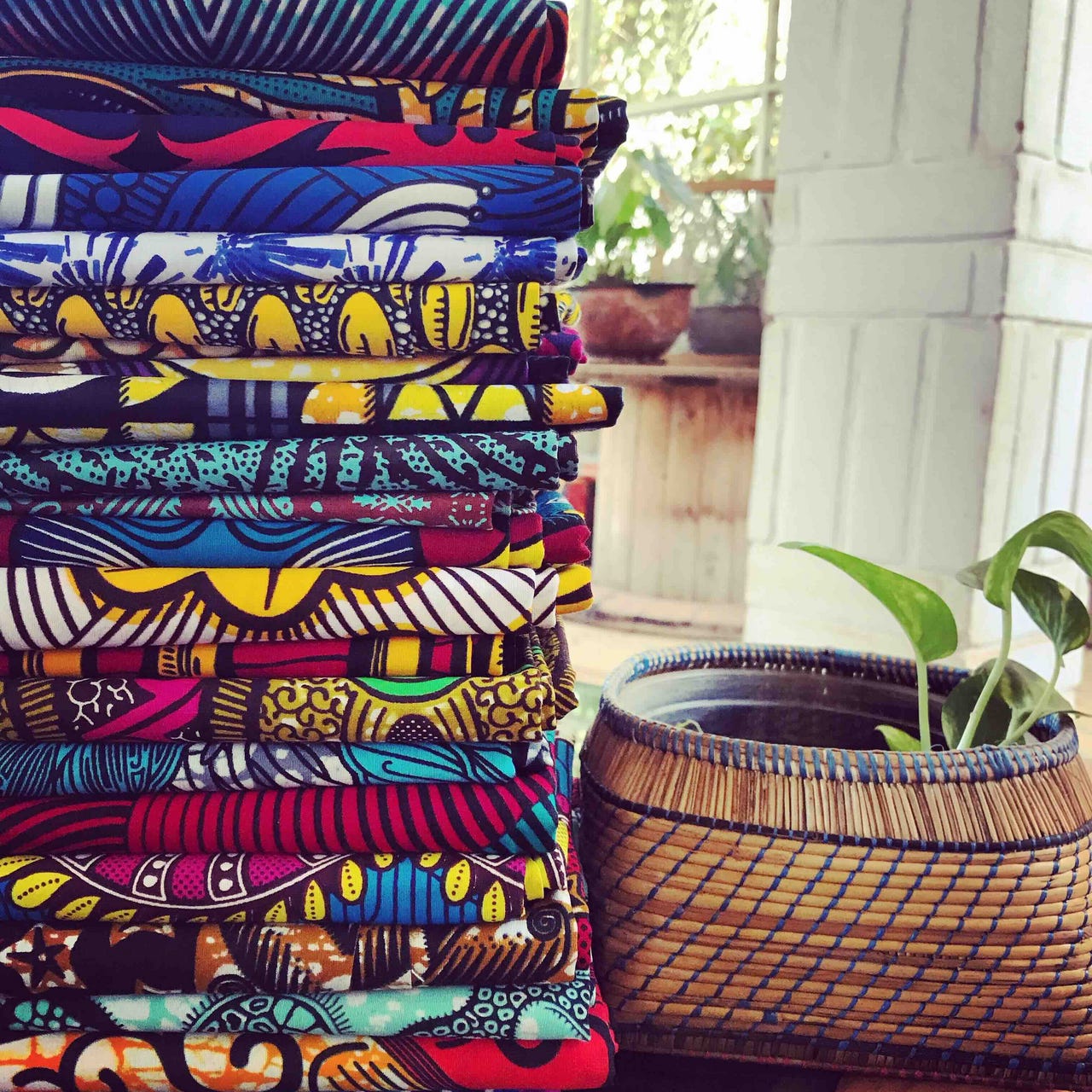
And as I mentioned in the above secret, kitchens (and cooking/food) hold great emotional importance for me.
So in November, I hosted my very first Zoom call with three members from Croatia, Australia, and Poland. We had an intimate and powerful conversation about the values that guide our presence here on Substack and elsewhere in life, and about why food is political. You can listen to it here:

Since then, Rebecca had the brilliant idea that we could continue this in a form of a collaborative post. So we’re cooking something up and hope to serve it sometime soon.
Stay tuned. And if you are a reader who is also a food writer or food-curious, you may want to join the Mastermind for Food Writers (it is run by volunteers and therefore free). I will be hosting another call on December 17.
This is it for this month’s Useful Secrets. I hope you found them interesting and/or inspiring. If you liked the post, be sure to click on the little heart and possibly share the post with a friend/fellow Substack reader. If you haven’t done so yet, please consider becoming a free, or even a paid subscriber.
I read a post months ago - I forgot who it was - on aphantasia and I'd never heard of it, but it seems like I have it. I shall read Erin's post to see, but I did a few online tests and it suggests I do. Interesting, I just thought everyone was like this.
This is wonderfully powerful and brave. Thank you for sharing